






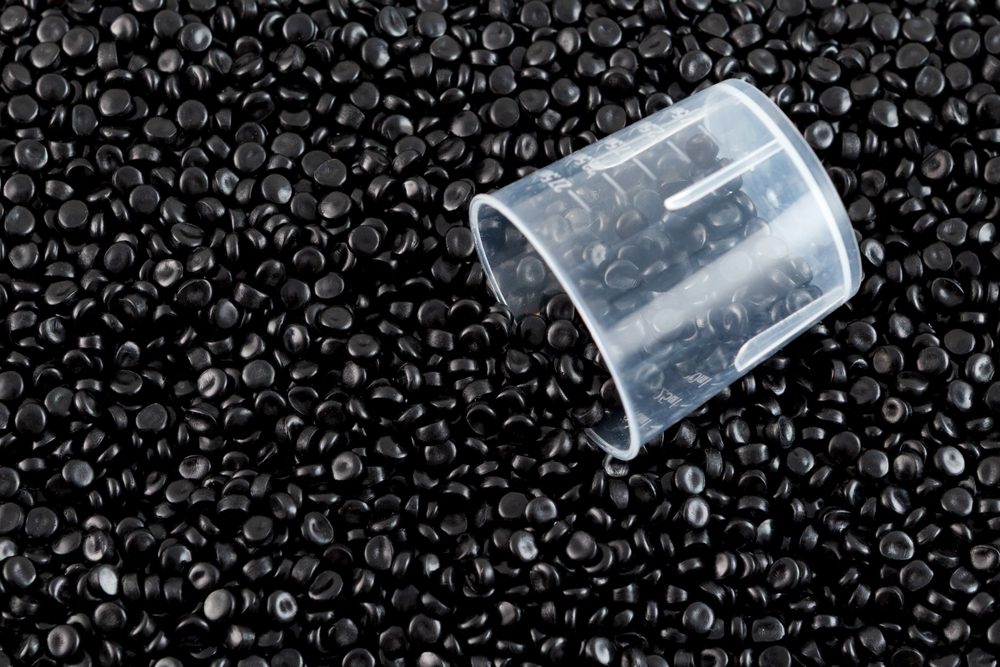

Sit in on almost any commercial negotiation about buying bitumen, and the first number you’ll likely hear is “60/70.” Without exaggeration, this grade is the backbone of the global bitumen trade, used in the vast majority of road paving projects worldwide. But what exactly sets this grade apart from other bitumen types, and why do international buyers consisten
What Does “Bitumen 60/70” Actually Mean?
The number “60/70” refers to the penetration range of the bitumen at 25°C — meaning a standard test needle sinks between 60 and 70 tenths of a millimeter into the bitumen sample. The lower this number, the harder and more temperature-resistant the bitumen; the higher the number, the softer and more flexible it is. Bitumen 60/70 sits in the middle of this spectrum, which is precisely what makes it such a versatile, “all-purpose” choice.
Standard Technical Specifications for Bitumen 60/70
Based on international reference standards such as EN 12591 and ASTM D946, the key quality parameters for this grade include:
- Penetration at 25°C: 60 to 70 (0.1 mm)
- Softening Point: typically between 46°C and 54°C
- Flash Point: minimum 230°C
- Solubility in trichloroethylene: minimum 99%, indicating the purity of the base bitumen
- Mass loss after heating (RTFOT): a parameter showing the bitumen’s stability during the hot-mix asphalt production process
Every standard shipment should come with a laboratory Certificate of Analysis (COA) matching one of these standards, so the buyer can verify quality before delivery.
Why Is Bitumen 60/70 the Most Popular Export Grade?
1. Compatibility Across a Wide Range of Climates
Unlike harder grades (such as 40/50) designed for extremely hot regions, or softer grades (such as 85/100 and 120/150) better suited to cold climates, bitumen 60/70 performs reliably in temperate to semi-tropical weather. This is why so many importing countries across Asia, the Middle East, and Africa treat it as the default choice for their road construction projects.
2. The Right Balance Between Strength and Flexibility
Asphalt produced with bitumen 60/70 is hard enough to resist deformation under heavy traffic, yet flexible enough to withstand thermal cracking. This balance makes it well-suited for highways, main roads, and airport runways.
3. Availability and Supply Chain Stability
Because demand is so high, most refineries produce this grade continuously and in large volumes. That means buyers face lower supply-continuity risk compared to less common grades.
4. Compatibility With Multiple International Standards
Bitumen 60/70 fits within European standards (EN), American standards (ASTM), and many national standards across Asia simultaneously, which simplifies technical negotiations between buyers and sellers.
Main Applications of Bitumen 60/70
- Hot Mix Asphalt (HMA) for roads and highways
- Wearing course layers in urban road construction projects
- Asphalt mixtures for airport runways in temperate regions
- Base material for certain industrial asphalt products
What to Check Before Buying Bitumen 60/70
Before finalizing any deal, request the following from your supplier:
- An up-to-date Certificate of Analysis (COA) for the actual shipment, not a generic or outdated sample report
- A clearly stated reference standard (EN 12591 or ASTM D946) against which quality was measured
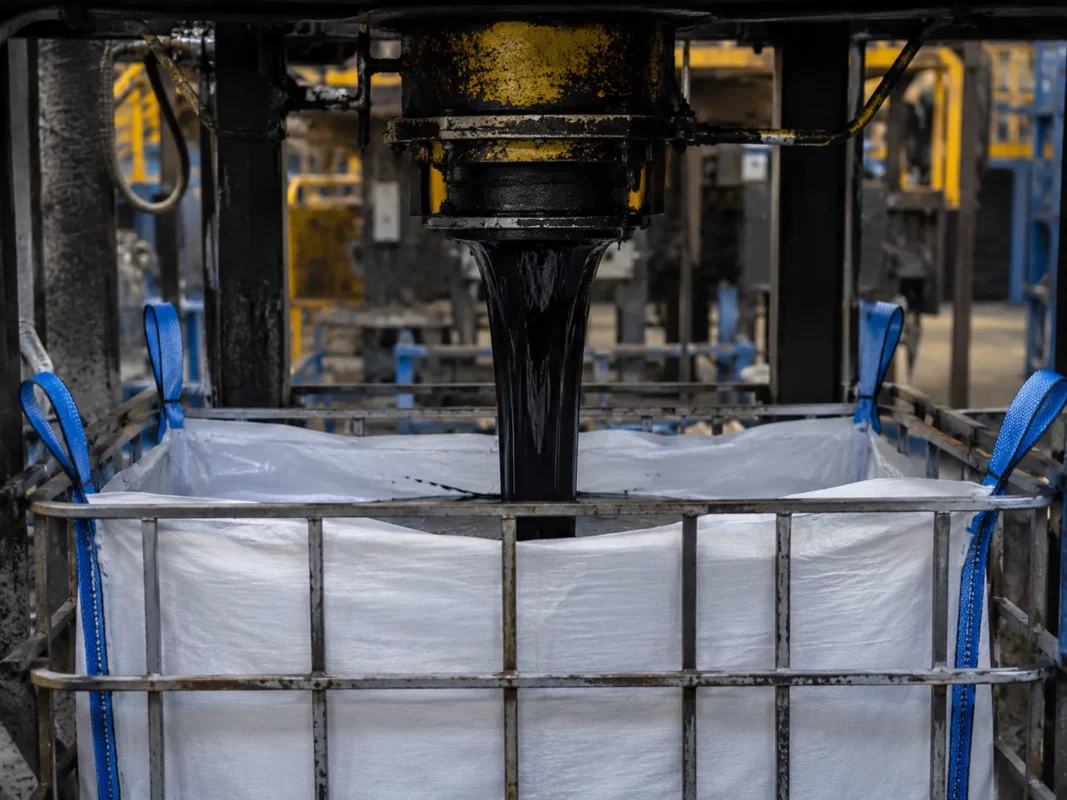
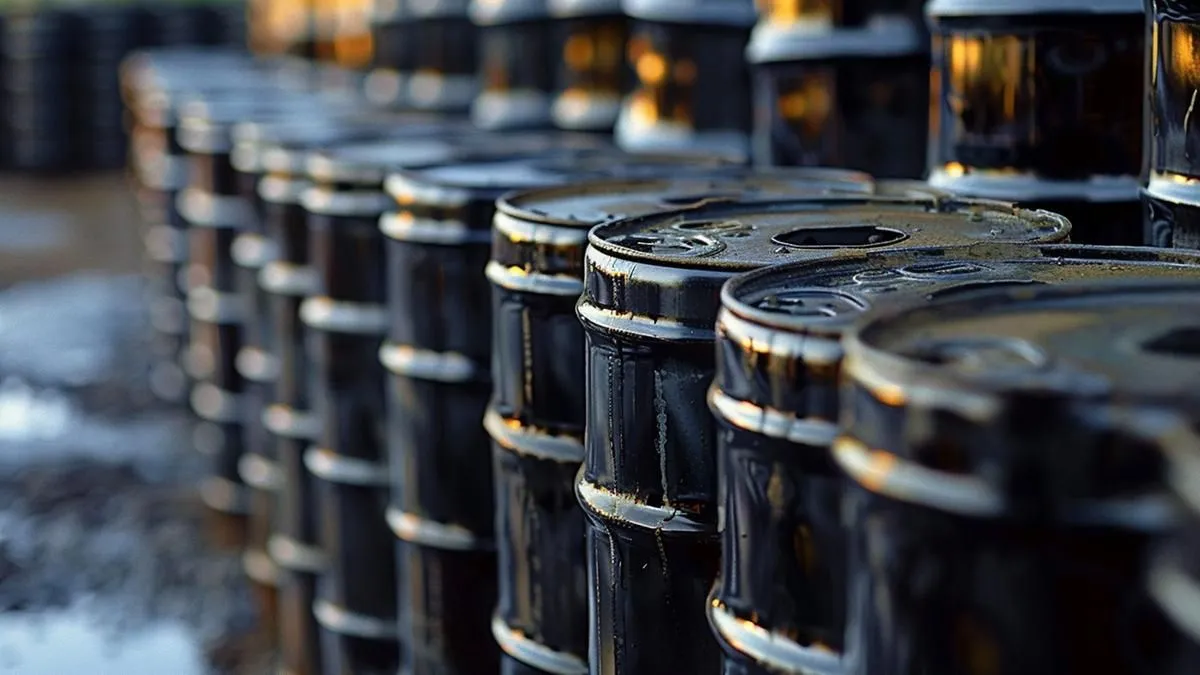
- Transparency on packaging type (drums, jumbo bags, or bulk) and how well it matches your intended shipping method
- The supplier’s export track record and production capacity, especially for high-volume or long-term contracts
Quality Control Tests Every Shipment Should Pass
Before loading, bitumen 60/70 should undergo several standard laboratory tests to confirm it meets technical specifications:
- Penetration Test: measures how far a standard needle sinks into the bitumen sample under a set load and temperature; the primary basis for grade classification.
- Softening Point (Ring & Ball): the temperature at which bitumen becomes soft and flowable; important for predicting behavior in high summer temperatures.
- Ductility Test: measures how far bitumen can be stretched before breaking, indicating its resistance to cracking.
- Mass Loss After Heating (RTFOT/TFOT): simulates hot-mix asphalt production conditions to assess the bitumen’s resistance to thermal aging.
- Flash Point Test: determines the safe temperature threshold for heating and transport.
Experienced buyers typically request written test reports before final shipment approval, and for high-volume contracts, often arrange independent third-party inspection as well.
Proper Storage and Handling of Bitumen 60/70
Bitumen quality can also be affected by storage conditions after delivery. A few key points:
- Drums or jumbo bags should be kept away from direct sunlight and heat sources to prevent premature softening or packaging deformation.
- Storage areas should have adequate ventilation, especially in high-humidity regions.
- For long-term storage (over 6 months), it’s advisable to re-sample and re-test quality before use.

A Common Misconception About Bitumen 60/70
Some buyers assume “60/70” is a proprietary brand or product unique to a specific supplier, when in fact it’s simply the name of a globally recognized standard grade that any refinery can produce in compliance with. The real difference between supplier offers isn’t the “type” of product — it lies in quality consistency, documentation transparency, and delivery reliability.
Frequently Asked Questions
Is bitumen 60/70 suitable for extremely hot regions? In extremely hot regions where road surface temperatures exceed 60°C, a harder grade such as 40/50 is generally preferred to prevent rutting (deformation).
How much does bitumen 60/70 differ in price from other grades? The price difference is usually limited and depends more on processing costs and market demand than on differences in raw material. For accurate, up-to-date pricing, it’s best to contact the sales team directly.
How can I be sure the bitumen I purchased is actually within the 60/70 range? The only reliable way is to review an independent laboratory report or arrange third-party inspection and sample testing before final loading.
Conclusion
Thanks to its technical balance, climate compatibility, and supply chain reliability, bitumen 60/70 is the first choice for most road construction projects in export markets. If you’re evaluating supply options for this grade for your project or business, our sales team is ready to provide detailed technical specifications and the shipment’s laboratory report.
For price quotes and quality documentation for bitumen 60/70, contact our sales team.
